

Turn to the word “grace” in the dictionary and you will find an unusually lengthy string of complimentary descriptions that includes: virtue from God, fluidity of movement, striking beauty or a most pleasing musical adornment. Above all of these, for
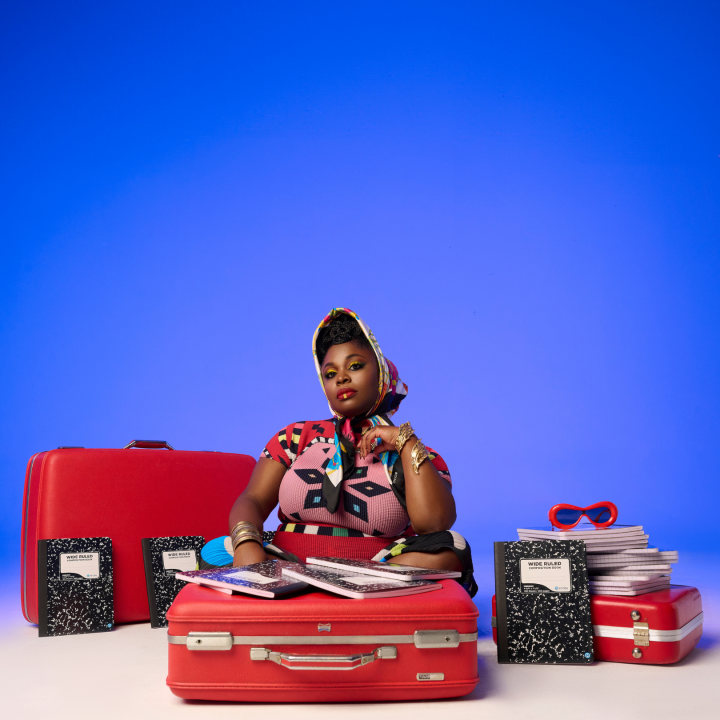
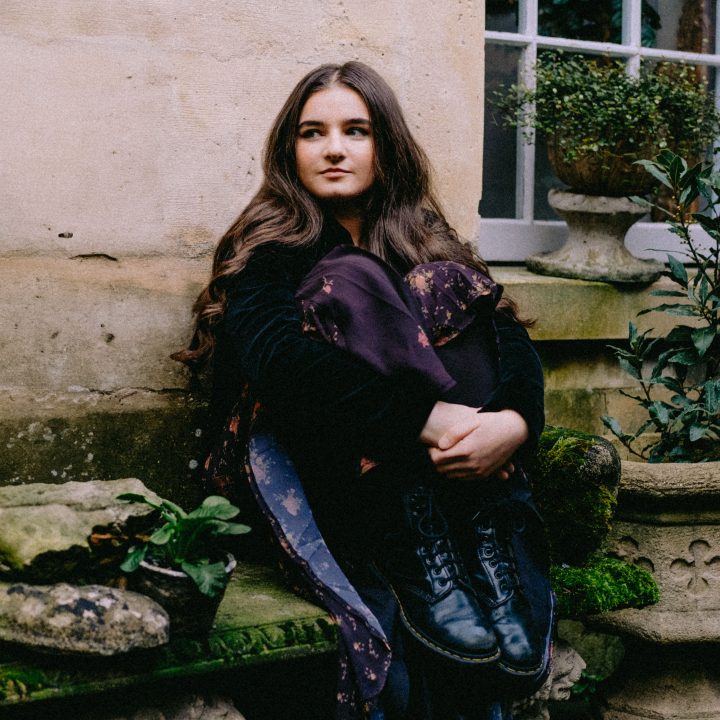
Throughout an enviable career that has been marked by eclectic virtuosity, heart, and stunning fusions of music both celestially classical and earthily modern, Ms. Carter delivers her most stylistically focused work to date with her sixth solo release, I'll Be Seeing You: A Sentimental Journey. The album was crafted in loving memory of her mother, Grace Louise Carter, who passed away following a long illness in March 2005. “She was the reason for everything my brothers and I are and have,”
I'll Be Seeing You does not mark the first time Ms. Carter has honored her mother in song. She co-composed and recorded the piece “Something for Grace” as the title track of her sophomore album in 1997. “I'm happy that I was able to do that,” she says. “As the saying goes, ‘Give them flowers while they are here to accept them.’” However, I'll Be Seeing You is a full CD dedicated to the righteous strength and capricious spirit of a very special lady.
I'll Be Seeing You is comprised of intimate, authentic, acoustic arrangements of songs spanning the ’20s to the ’40s — tunes that were subliminally or whole-heartedly enjoyed by
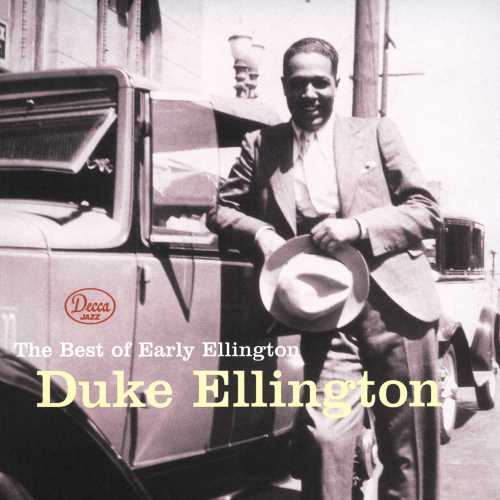
The 12-song CD includes three gems from the pens of Richard Rodgers and Lorenz Hart (including the delightful “You Took Advantage of Me” and “This Can't Be Love”), W.C. Handy's bedrock “St. Louis Blues” and Ella Fitzgerald's eternally wistful “A-Tisket, A-Tasket.” While the album does contain four deeply moving ballads (including Duke Ellington's “Blue Rose” and Regina's original waltz “How Ruth Felt”), the overriding vibe swings with innocence and jubilance.
Within the credits for
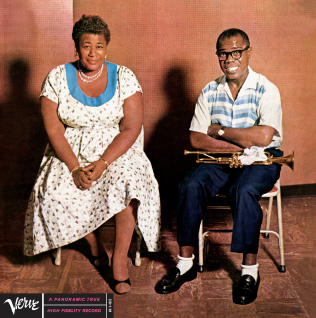
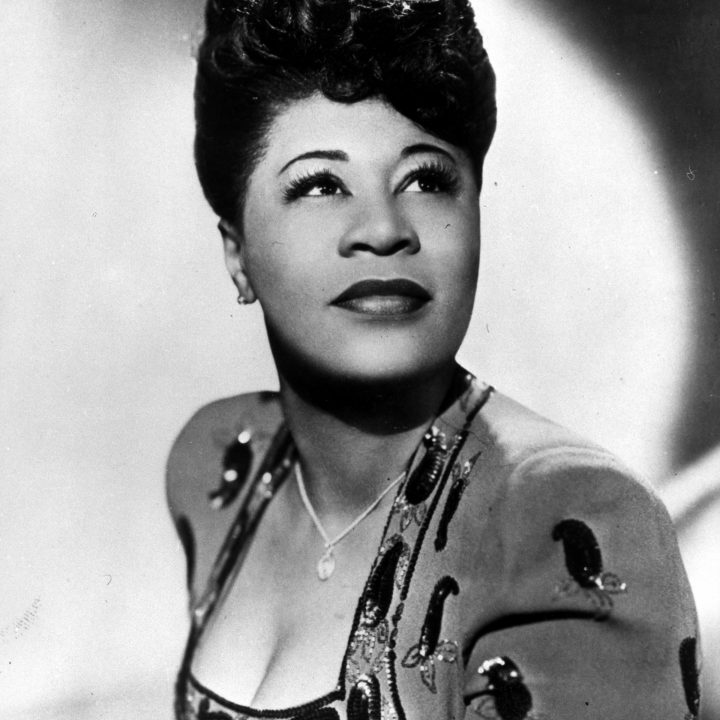
Considering Regina's widely acknowledged love for the great Ella Fitzgerald (even her recording of the Debussy classic “Reverie” on her 2003 recording Paganini: After a Dream was based on Ella's arrangement), it's not surprising that the very first song she thought to do was “A-Tisket, A-Tasket.” Apparently, Mom was a fan, too. “She really, really loved that song,”
Key to the album's cohesiveness is the intimacy and period-specific instrumenta-tion. Though some of the songs were popular in the swing era, most of them pre-date it. One thing
Another guest that took
The piece that reflects the realities of Grace Carter's life is John Clayton's especially haunting arrangement of the Les Brown chestnut, “Sentimental Journey,” another of Grace's favorites. “I asked John to do an arrangement of just clarinet, violin and bass,”
The album closes with an emotional one-two punch. First is a bittersweet rendition of “There's a Small Hotel” (sung by Cook), the lyrics of which reflect a longing for just one more quality encounter with someone you love. It's followed by the album's title track, “I'll Be Seeing You.” “That song was just so apropos for me,”
Regina Carter’s immersion in music began at the age of two when she took up piano, followed by violin at the age of four. Forever indebted to the Suzuki method of music teaching, the approach freed her from the rigid restraints of solely reading music and opened her to the wonders of improvisation. Though her original focus was classical music, with the hope of being a soloist with a major symphony, the pull of
Carter joined Verve Records in 1998 and has since recorded four critically acclaimed works of astounding maturity and variety: Rhythms of the Heart, Motor City Moments (also produced by John Clayton) and Paganini: After a Dream (for which she made history by being the first African American and
Among her personal accomplishments is work she has done to spread the love of music to others, something that is touched upon in her one original composition on I’ll Be Seeing You. “My producer, John Clayton always insists that I write at least one original piece on every album,” she says. “I chose ‘How Ruth Felt,’ which is a commissioned piece that I wrote for a woman named Ruth Felt, President of San Francisco Performances, an arts organization in San Francisco. I spent some time as an Artist-In-Residence there, teaching music to disadvantaged children and spreading the joy of music to people in community centers and churches around the Bay area. Ruth helped me tremendously while I was dealing with my mother’s illness. I included ‘How Ruth Felt’ on my album as a way to say, ‘Thank you.’”
Now Regina Carter is looking forward to a brighter 2006, filled with sharing the memory of her mother and the music of I’ll Be Seeing You: A Sentimental Journey with people in a live context. “When I perform now, she shares, “I feel different when I go on stage…stronger…like I've gone through something and really lived! I still get nervous, but all of those negative, critical voices that I used to hear in my head are gone. I think that’s my mother…making me realize that none of that is important. This is my stage…it’s what I do…and I'm having a good time.”